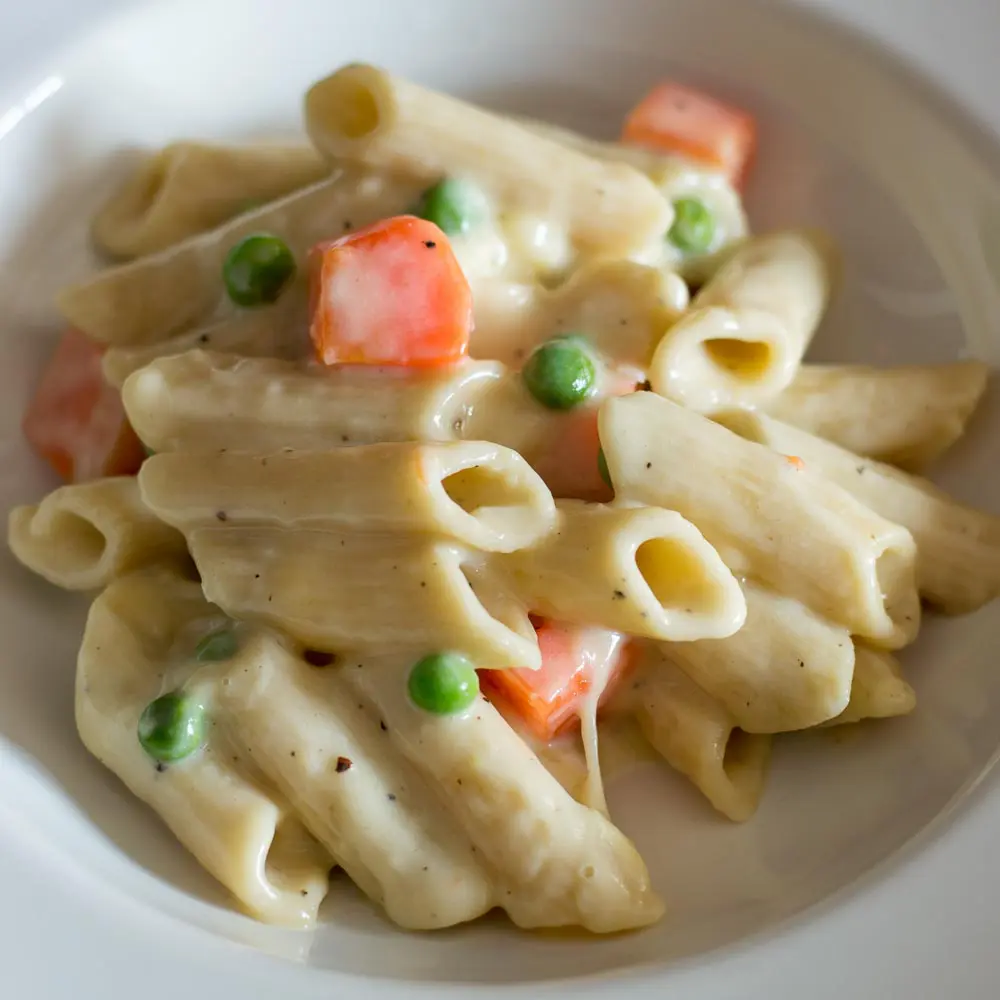
Pasta. Just the word makes mouths water. For some, it’s a quick dinner fix. For others, it’s a canvas for culinary creativity. From spaghetti to penne, farfalle to fettuccine, pasta has been a beloved dish for centuries, not just in Italy but across the globe. Its charm is simple: pasta is versatile, quick, filling, and endlessly adaptable. You can pair it with a light olive oil dressing, a rich tomato sauce, creamy cheese, or a medley of vegetables, meats, and seafood.
Yet, despite its simplicity, making great pasta requires a little understanding. Overcooked noodles, watery sauces, bland flavors—these are mistakes almost every beginner faces. But once you get the hang of it, pasta can become one of your most satisfying dishes to cook and serve.
In this guide, we’ll cover:
-
History and origins of pasta
-
Types of pasta and when to use them
-
Ingredients that matter
-
Step-by-step pasta recipes
-
Common mistakes and how to avoid them
-
Regional variations
-
Modern adaptations and fusion ideas
-
Nutritional insights and serving tips
By the end, you’ll know how to make perfect pasta every time, whether you’re aiming for authentic Italian style or a modern twist.
Table of Contents
-
Introduction: Why Pasta is Loved Worldwide
-
A Brief History of Pasta
-
Types of Pasta and Their Uses
-
Ingredients That Make a Difference
-
Step-by-Step Classic Pasta Recipes
-
Sauces: The Soul of Pasta
-
Common Mistakes and How to Fix Them
-
Regional Variations Across Italy
-
Modern Twists and Fusion Recipes
-
Nutritional Insights
-
Serving Suggestions and Pairings
-
Conclusion
1. Introduction: Why Pasta is Loved Worldwide
Pasta is comfort food. It’s also gourmet. It can be simple or elaborate. It’s filling without being heavy if made with care. One of its biggest strengths is versatility: you can toss it with just olive oil and garlic for a 10-minute meal, or you can make an elaborate baked pasta with layers of béchamel, vegetables, and meat.
For many people, pasta is also nostalgia. Childhood memories of spaghetti and meatballs, Sunday family dinners, or that first time trying fresh pasta at a local Italian trattoria. That’s part of what makes pasta so special—it’s more than food. It’s a cultural experience and a comfort blanket in one.
2. A Brief History of Pasta
The origin of pasta is debated. Some claim it was brought to Italy by Marco Polo from China, but historians argue that forms of pasta existed in the Mediterranean long before that. Ancient Romans and Greeks made dishes with sheets of dough, and the Arabs introduced dried pasta to Sicily during their rule in the 9th century.
By the 13th and 14th centuries, pasta had become common in Italy, especially as a dried product that could be stored for long periods—a major advantage for merchants, travelers, and households alike. From humble beginnings, pasta evolved into hundreds of shapes and regional specialties across Italy, each with its own sauce pairings and traditions.
3. Types of Pasta and Their Uses
Knowing pasta types is half the battle. Each shape has its purpose:
-
Spaghetti: Long, thin, cylindrical. Best with tomato-based sauces, aglio e olio, or seafood sauces.
-
Fettuccine: Flat, thick ribbons. Ideal for creamy sauces like Alfredo or carbonara.
-
Penne: Short, tube-shaped. Holds chunky sauces well.
-
Fusilli: Spiral-shaped. Perfect for capturing pesto or thicker vegetable sauces.
-
Ravioli: Stuffed pasta. Works with light sauces or in broth.
-
Lasagna Sheets: Layering is key. Used in baked casseroles.
There are literally hundreds of pasta shapes, each with a story, a purpose, and a perfect sauce pairing. Knowing which one to use can elevate a dish from okay to memorable.
4. Ingredients That Make a Difference
Making pasta from scratch or choosing the right ingredients for boxed pasta can change everything:
-
Flour: For homemade pasta, use all-purpose or semolina flour. Durum wheat is traditional.
-
Eggs: Optional for some pasta types; adds richness and color.
-
Salt: Never forget it in boiling water; it flavors the pasta.
-
Olive Oil: Optional in dough, essential in many sauces.
-
Water: Quality matters; don’t use overly chlorinated tap water.
Sauces, proteins, vegetables, and cheese are equally important. Fresh garlic, ripe tomatoes, fresh herbs, and high-quality cheeses like Parmigiano-Reggiano or Pecorino Romano can make a huge difference.
5. Step-by-Step Classic Pasta Recipes
Here’s a breakdown of some classic recipes with step-by-step instructions:
A. Spaghetti Aglio e Olio
Ingredients:
-
200g spaghetti
-
4 cloves garlic, thinly sliced
-
½ cup olive oil
-
½ tsp chili flakes
-
Salt to taste
-
Fresh parsley for garnish
Instructions:
-
Boil pasta in salted water until al dente. Drain.
-
Heat olive oil, sauté garlic until golden. Add chili flakes.
-
Toss pasta with garlic oil. Garnish with parsley.
B. Fettuccine Alfredo
Ingredients:
-
200g fettuccine
-
½ cup butter
-
½ cup heavy cream
-
½ cup grated Parmesan cheese
-
Salt and pepper to taste
Instructions:
-
Cook fettuccine until al dente. Drain.
-
Melt butter, add cream, simmer. Add cheese and stir until creamy.
-
Toss pasta in sauce. Serve hot.
C. Penne Arrabbiata
Ingredients:
-
200g penne
-
3 ripe tomatoes, chopped
-
3 cloves garlic, minced
-
1 tsp red chili flakes
-
2 tbsp olive oil
-
Salt, pepper, fresh basil
Instructions:
-
Cook penne until al dente. Drain.
-
Heat olive oil, sauté garlic, add tomatoes and chili flakes. Simmer 10 minutes.
-
Toss penne in sauce, garnish with basil.
6. Sauces: The Soul of Pasta
Sauces can make or break pasta. The classics:
-
Tomato-Based: Marinara, Arrabbiata, Pomodoro
-
Cream-Based: Alfredo, Carbonara, Bechamel
-
Oil-Based: Aglio e Olio, Pesto
-
Meat-Based: Bolognese, Ragu
Sauces should cling to the pasta, not drown it. Cooking pasta slightly under and finishing it in the sauce allows for perfect absorption of flavors.
7. Common Mistakes and How to Fix Them
-
Overcooked pasta → al dente is key
-
Watery sauces → reduce sauce or finish cooking pasta in it
-
Bland flavor → season pasta water and sauce properly
-
Overcrowding pan → prevents proper sauce coating
8. Regional Variations Across Italy
-
Northern Italy: Creamy sauces, butter, cheeses, fresh herbs
-
Central Italy: Tomato sauces, simple seasonings, olive oil
-
Southern Italy: Spicy sauces, olive oil, seafood, garlic
-
Sicily and Sardinia: Unique pasta shapes, nuts, citrus flavors
9. Modern Twists and Fusion Recipes
-
Pasta with Asian Flavors: Soy sauce, sesame oil, vegetables
-
Gluten-Free Pasta: Rice, corn, quinoa blends
-
Vegetable Noodles: Zucchini, sweet potato, carrot noodles
-
Baked Pasta Casseroles: Layered lasagna-style with different cheeses
10. Nutritional Insights
-
Pasta is a great source of complex carbs.
-
Whole grain pasta adds fiber.
-
Pairing pasta with vegetables and lean proteins makes it a balanced meal.
-
Portion control matters; pasta can be calorie-dense.
11. Serving Suggestions and Pairings
-
Pair with garlic bread or focaccia
-
Side salads for freshness
-
Wine pairings: red for tomato sauces, white for cream-based sauces
12. Conclusion
Pasta is simple yet infinitely versatile. With a few quality ingredients, understanding of cooking times, and attention to sauces, anyone can make restaurant-quality pasta at home. From traditional Italian classics to modern twists, pasta is a dish that invites creativity while honoring centuries of culinary tradition.