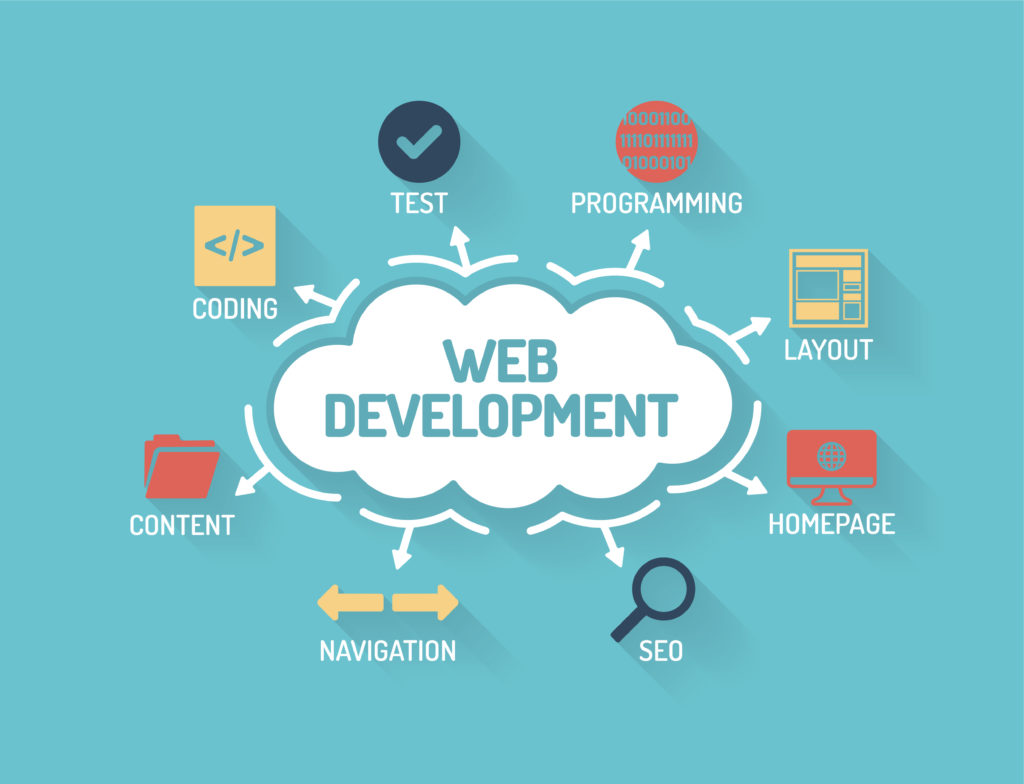
In today’s world, knowing how to build a website is super useful. Even if you don’t want to become a full-time developer, understanding web development can help you in freelancing, business, or just creating your own projects. And the good thing is, there are tons of web development courses online — some free, some paid — that can teach you everything from scratch.
If you’re thinking, “Do I really need a course to learn web development?”, the answer is yes. While you can learn a little by just googling stuff, courses give you structure, guidance, and sometimes even projects to practice.
1. Why Learn Web Development in 2025
Web development is everywhere now. Almost every business, brand, and startup needs a website. Knowing web development helps you:
-
Build your own website or app
-
Start freelancing and earn money
-
Get jobs in tech companies
-
Understand how websites & apps work
-
Make your ideas come to life online
Even a small knowledge of web development is a huge advantage today.
2. Types of Web Development Courses
Web development can be divided into a few main types. Most courses focus on one or more of these:
1. Front-End Development
Front-end is what users see on the website — buttons, colors, layouts, everything visible.
Courses usually teach:
-
HTML basics
-
CSS styling
-
JavaScript fundamentals
-
Responsive design
-
Frameworks like React or Angular
Front-end is great if you like designing and making things look good.
2. Back-End Development
Back-end is what happens behind the scenes — servers, databases, login systems, storing data.
Courses usually cover:
-
Node.js, Python, PHP, or Java
-
Database management (MySQL, MongoDB)
-
API creation
-
Server handling
Back-end is perfect if you like logic and programming more than designing.
3. Full-Stack Development
Full-stack is a combination of front-end and back-end.
Courses teach:
-
Front-end + back-end skills
-
Connecting front-end with server/database
-
Building complete web apps
Full-stack developers are in high demand because they can handle the whole project.
4. Specialized Courses
Some courses focus on specific things like:
-
WordPress development
-
Shopify & e-commerce website development
-
Progressive Web Apps
-
Mobile-friendly websites
These are good if you want to build websites quickly without coding everything from scratch.
3. Benefits of Taking Web Development Courses
Even if you are self-taught, courses give extra advantages:
-
Structured learning – you know exactly what to learn first.
-
Projects to practice – learning by doing is always better.
-
Certificates – useful for resume or freelancing profiles.
-
Updated content – many courses teach latest frameworks & tools.
-
Mentor support – some courses have instructors to help you.
4. Who Should Take Web Development Courses
-
Students who want tech skills
-
Working professionals switching careers
-
Freelancers or side hustlers
-
Entrepreneurs who want their own website
-
Anyone curious about coding & tech
Basically, anyone who wants to learn practical skills that are in demand.
5. Common Mistakes People Make
-
Skipping basics – jumping straight to frameworks without learning HTML/CSS/JS.
-
Not practicing – just watching videos won’t help.
-
Learning too many things at once – better to master one topic before moving on.
-
Ignoring projects – employers and clients want to see what you made.
-
Quitting too soon – web development takes patience.
6. How to Choose a Web Development Course
-
Look at course content and make sure it covers basics first
-
Check if it has hands-on projects
-
Prefer courses with certificates if you want them for resume
-
See reviews or feedback from previous students
-
Decide whether you want free or paid course
Even free courses are good for beginners; paid courses often give extra support and updated content.
7. Final Thoughts
Web development courses are one of the best investments in 2025 if you want practical skills that can actually get you jobs or clients. Whether you choose front-end, back-end, or full-stack, the key is to practice a lot, build projects, and keep learning.
Even a small website you build yourself can give you confidence, show off your skills, and maybe even earn money. So pick a course, start learning, and don’t worry about making mistakes — that’s part of the process.