Mumbai is a city of contrasts — glamor and grit, history and modernity, sea breezes and bustling streets. For travelers, it offers an eclectic mix of must-see landmarks, hidden gems, spiritual retreats, architectural marvels, and coastal escapes. If you’re planning to explore Mumbai or just want to understand what makes the city tick, here’s a detailed, human-written guide to the top places to visit in Mumbai.
1. Gateway of India & Colaba
Gateway of India
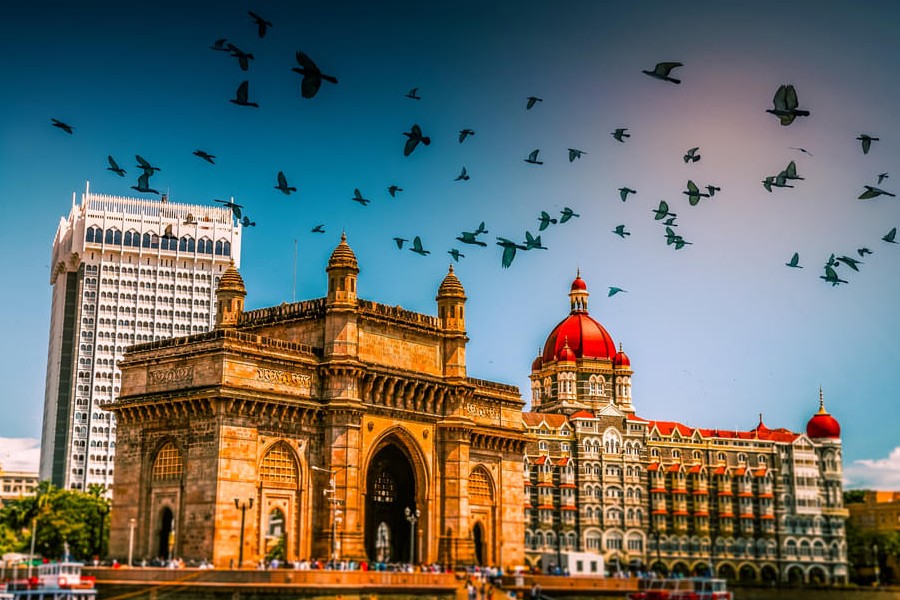
Start your Mumbai journey with the iconic Gateway of India — a grand arch monument on Apollo Bunder overlooking the Arabian Sea. Built during the British Raj, it’s symbolic of Mumbai’s colonial past and connects to the sea with views of ferry boats and, in the distance, the Taj Mahal Palace hotel. The Gateway is a must-photograph spot, especially in early morning light or at sunset when the sea breeze mingles with city sounds.
Colaba Causeway
Just a short walk from the Gateway, Colaba Causeway is a shopper’s paradise. Whether you’re looking for boutique clothes, imitation jewelry, vintage trinkets, or just want to experience street shopping, this stretch delivers. The hustle and bustle, the bargaining, and the street-side cafés make it a quintessential Mumbai experience.
Leopold Café & Café Mondegar
Located in Colaba, these are legendary cafés. Leopold has seen its share of Bollywood stars and international travelers. Café Mondegar, with its jukebox and murals, serves as a fun, laid-back spot to relax, soak up the vibe, and take a breather from the city’s pace.
2. Chhatrapati Shivaji Maharaj Terminus (CSMT)
One of Mumbai’s architectural jewels, Chhatrapati Shivaji Maharaj Terminus (CSMT) — previously Victoria Terminus — is a UNESCO World Heritage Site. Built in the Victorian Gothic style, this massive railway station features stained-glass windows, high arches, and intricate stone carvings. It’s not just a transit point; it’s a living monument, always bustling with activity and a great way to feel the pulse of Mumbai.
3. Elephanta Caves
A short ferry ride from the Gateway takes you to Elephanta Island, home to the Elephanta Caves — rock-cut temples dating back centuries. The caves are dedicated to Lord Shiva and feature stunning sculptures carved into basalt rock. The main cave, Cave 1, is especially famous for its tall “Trimurti” sculpture and beautiful reliefs. It’s a peaceful, spiritual escape away from the city’s noise.
4. Marine Drive & the Queen’s Necklace
Marine Drive is Mumbai’s elegant promenade — a sweeping arc along the Arabian Sea. At night, its streetlights look like a glowing necklace, giving it the nickname “Queen’s Necklace.” The drive is perfect for leisurely evening strolls, watching the sunset, or simply sitting by the sea with a cool breeze in your hair. It’s also a favorite spot for photographers because of its curved coastline and city skyline.
5. Juhu Beach
If you want to soak in classic Mumbai beach vibes, head to Juhu Beach. It’s one of the most popular beaches in the city and a hotspot for street food lovers. Try local treats like bhelpuri, pani puri, and sev puri from the food stalls. The beach is also famous for evening walks and cricket matches. And if you like people-watching, Juhu is the place — you’ll find locals, Bollywood celebs, and tourists all mixed into one lively scene.
6. Mahalaxmi Temple
Perched on Cumballa Hill and overlooking the sea, the Mahalaxmi Temple is one of Mumbai’s most sacred and historic Hindu shrines. Dedicated to the goddess Mahalaxmi (wealth, prosperity, and wisdom), this temple dates back to 1831. Its architecture and spiritual ambiance make it a peaceful retreat, even in the heart of a chaotic city.
7. Haji Ali Dargah
Floating in the Arabian Sea is the Haji Ali Dargah, a striking white domed mosque and tomb built on an islet. Accessible via a narrow causeway (only when the tide is low), the Dargah is a pilgrimage site for many and an architectural marvel. The structure combines Indo-Islamic architecture, and its setting in the sea gives it a mystical feel, especially at dawn or dusk.
8. Dr. Bhau Daji Lad Museum
One of the oldest museums in Mumbai, the Dr. Bhau Daji Lad Museum (in Byculla) is a treasure trove of cultural history. It displays decorative arts, traditional Indian craftsmanship, detailed maps, old photographs, and clay models. The building itself is a heritage marvel, restored beautifully to celebrate Mumbai’s artistic legacy. It’s perfect for history buffs and anyone who wants to dive deep into the city’s past.
9. Rajabai Clock Tower
Located on the campus of the University of Mumbai, the Rajabai Clock Tower stands tall as a Gothic-Venetian architectural wonder. Designed by Sir George Gilbert Scott, this tower was once the tallest structure in Mumbai. Its stained-glass windows, spiral staircase, and commanding presence make it an underrated yet must-see monument for architecture lovers.
10. Kala Ghoda and Art Deco Architecture
Mumbai has one of the largest collections of Art Deco buildings in the world, second only to Miami. Walking through Kala Ghoda, you’ll see pastel-colored buildings, stylish portholes, and balconies shaped like ship decks. This heritage precinct is also home to cultural venues, art galleries, and colonial-era architecture, making it a delightful blend of past and present.
11. Sanjay Gandhi National Park & Kanheri Caves
Just a little outside the city, Sanjay Gandhi National Park offers a green respite from urban hustle. There are hiking trails, forested landscapes, and even ancient rock-cut Kanheri Caves within the park. These Buddhist-era caves have intricate carvings and peaceful interiors. The contrast between the city and nature is striking and makes for a refreshing half-day trip.
12. Siddhivinayak Temple
A pilgrimage site for many, the Siddhivinayak Temple (dedicated to Lord Ganesha) is a spiritual and cultural landmark in Mumbai. Located in Prabhadevi, the temple is often crowded, but its energy, devotion, and ornate architecture make it worth a visit. It’s especially lively on Tuesdays, the day many devotees come to offer prayers.
13. Bandra-Worli Sea Link & Bandra Fort
The Bandra-Worli Sea Link is a modern engineering marvel — a cable-stayed bridge connecting the suburbs of Bandra and Worli. The panoramic view from here is particularly stunning during sunset.
Nearby, Bandra Fort (also known as Castella de Aguada) offers a piece of history and great views over the sea and the city skyline. It’s a popular spot for locals and tourists to watch the sun go down.
14. Malabar Hill & Hanging Gardens
Malabar Hill is one of Mumbai’s most upscale neighborhoods, and walking around its elevated lanes gives you a great vantage point of the city and sea. The nearby Hanging Gardens (also known as Pherozeshah Mehta Gardens) are terraced gardens that overlook the Arabian Sea, offering a calm escape and a lovely view.
15. Taraporewala Aquarium
Mumbai’s oldest aquarium, Taraporewala Aquarium, sits on Marine Drive. It houses a variety of marine and freshwater species and has an acrylic tunnel that lets visitors walk through a tank — a fun, educational experience for families and anyone curious about aquatic life.
16. Mani Bhavan
Mani Bhavan is a small but significant museum dedicated to Mahatma Gandhi. This was his Mumbai residence for many years, and inside, you’ll find photographs, personal items, letters, and a library documenting his life and work. It’s a quiet, reflective place that gives insight into India’s freedom struggle and Gandhi’s legacy.
17. Mumbai’s Heritage Walks & Colonial Architecture
Mumbai’s colonial heritage is most visible in areas like Fort, Churchgate, and Ballard Estate. On walking tours, you can explore Indo-Saracenic buildings, Gothic revival architecture, and old British-era churches. There are guided heritage walks that take you through historic lanes, revealing stories of Mumbai’s past and how it evolved into the modern metropolis.
18. Dharavi (Social & Entrepreneurial Tours)
One of the most talked-about parts of Mumbai is Dharavi — often called Asia’s largest slum. But a guided tour here is not about poverty tourism; it’s a window into resilience, community, and entrepreneurship. Many small-scale industries operate in Dharavi — pottery, leather, textiles — and these tours highlight the innovation and hustle that thrive in tight spaces.
19. Bollywood and Film City
Mumbai is the heart of the Indian film industry — Bollywood. You can take guided Bollywood studio tours to see where movies are made, check out sets, and maybe even catch a live shoot. For a broader view, Film City (in the suburbs) is a major hub for sets, production houses, and behind‑the-scenes glamour.
20. Mumbai’s Spiritual Diversity
Beyond the temples and mosques already mentioned, Mumbai is a city of spiritual plurality. Some other notable places include:
-
Global Vipassana Pagoda – A massive meditation center and monument near Mumbai, known for its huge dome structure and peaceful atmosphere.
-
Walkeshwar Temple / Banganga Tank – An ancient temple complex in the Malabar Hill area, built around a freshwater spring and surrounded by calm, historical corners.
21. Food & Street Markets
While not a “monument,” experiencing Mumbai’s street food and markets is essential:
-
Chowpatty Beach is perfect for snacks like bhelpuri, sev puri, and pani puri.
-
Crawford Market (now officially names) is a colorful, chaotic market for fruits, vegetables, and local goods.
-
Fashion Street and Colaba Causeway are great for shopping plus food — don’t skip the chai and street bites.
22. Practical Travel Tips for Visiting These Places
-
Getting Around: Use local trains, taxis, or app-based cabs. For some attractions (like Elephanta Caves), ferries are needed.
-
Best Time to Visit: The cooler months (October to March) are ideal; monsoon season makes coastal areas very wet.
-
Local Tours: Consider guided heritage or slum tours for deeper insight and safety.
-
Safety: Mumbai is relatively safe, but pickpocketing can happen in crowded tourist spots — stay alert.
-
Cultural Respect: When visiting religious sites, dress modestly and follow local customs (removing shoes, etc.).
Why These Places Make Mumbai Special
-
Historical Depth: From Elephanta Caves to colonial-era Fort, Mumbai carries centuries of layered history.
-
Architectural Diversity: Gothic train stations, Art Deco buildings, Islamic shrines, modern bridges — all exist side by side.
-
Spiritual Harmony: Temples, mosques, and meditation centers highlight the city’s multi-religious fabric.
-
Vibrant Street Life: Markets, food stalls, local trains — everyday life in Mumbai is both ordinary and extraordinary.
-
Natural Escapes: Even in a concrete metropolis, there are pockets of nature: parks, beaches, and elevated trails.
Final Thoughts
Mumbai is not just a city you see — it’s a city you experience. From its coastline to its heritage buildings, from sacred shrines to gritty entrepreneurial corners, it’s always changing yet deeply rooted. If you plan your trip well, you’ll leave with more than photos… you’ll carry stories, flavors, and moments that define what Mumbai truly feels like.